Mohammad Samiul
Hasan
Prospective PhD Applicant
New Jersey, USA
Conference Presentations
1. Tensile Mechanical Performance of Horizontally Twinned Al Nanopillar by Molecular Dynamics Analysis
Presented at: 8th International Conference on Mechanical, Industrial and Energy Engineering(ICMIEE 2024)
Location: Kulna, Bangladesh | Date: January, 2025
DOI: 10.38032/scse.2025.3.41 | View Full Paper
Abstract:
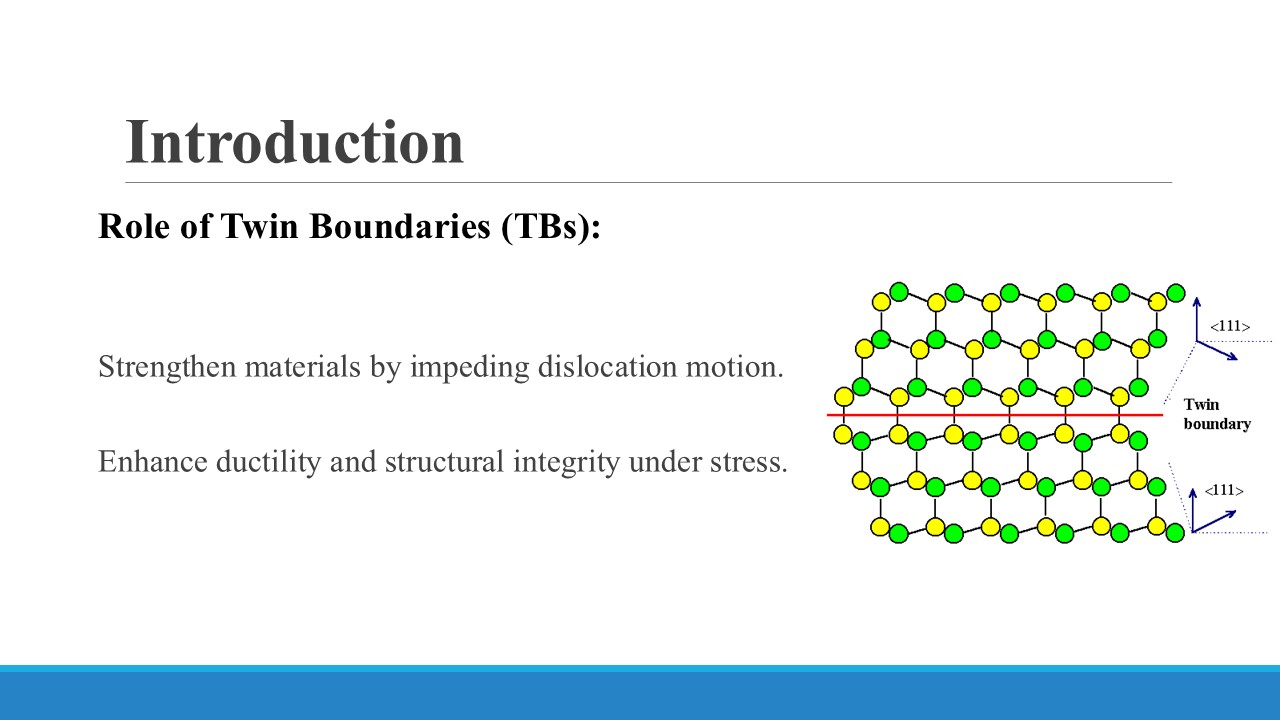
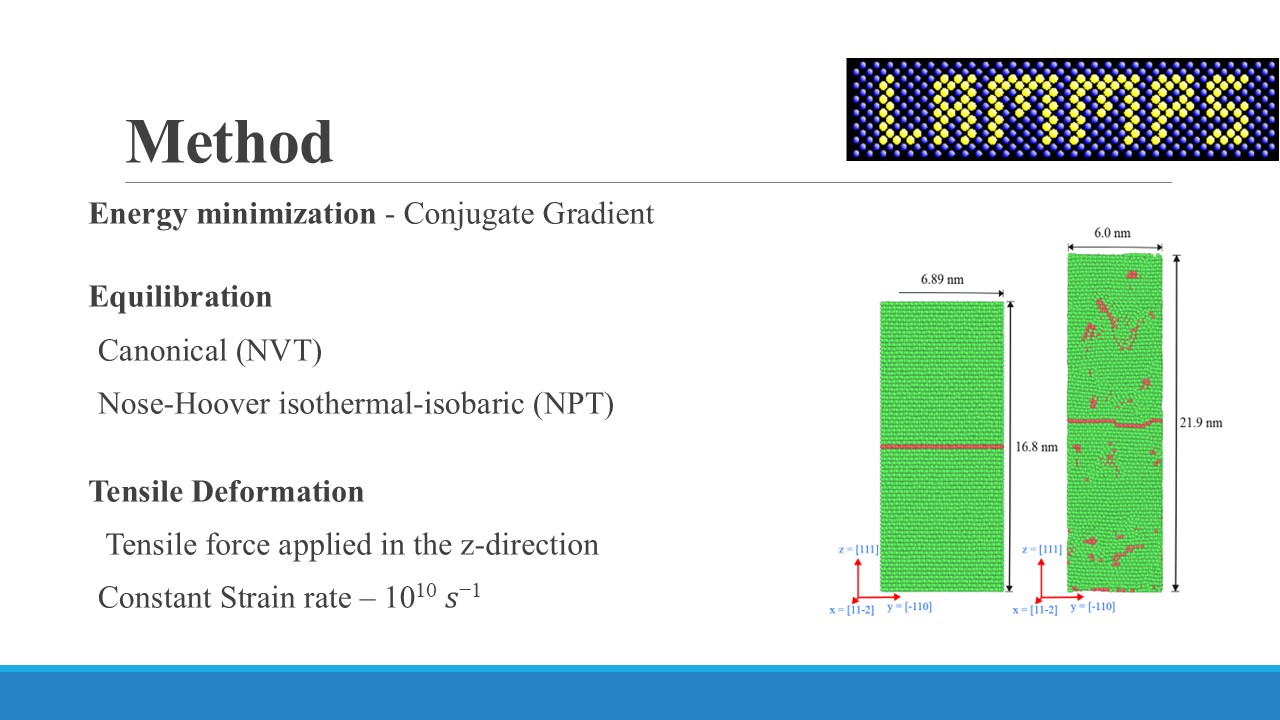
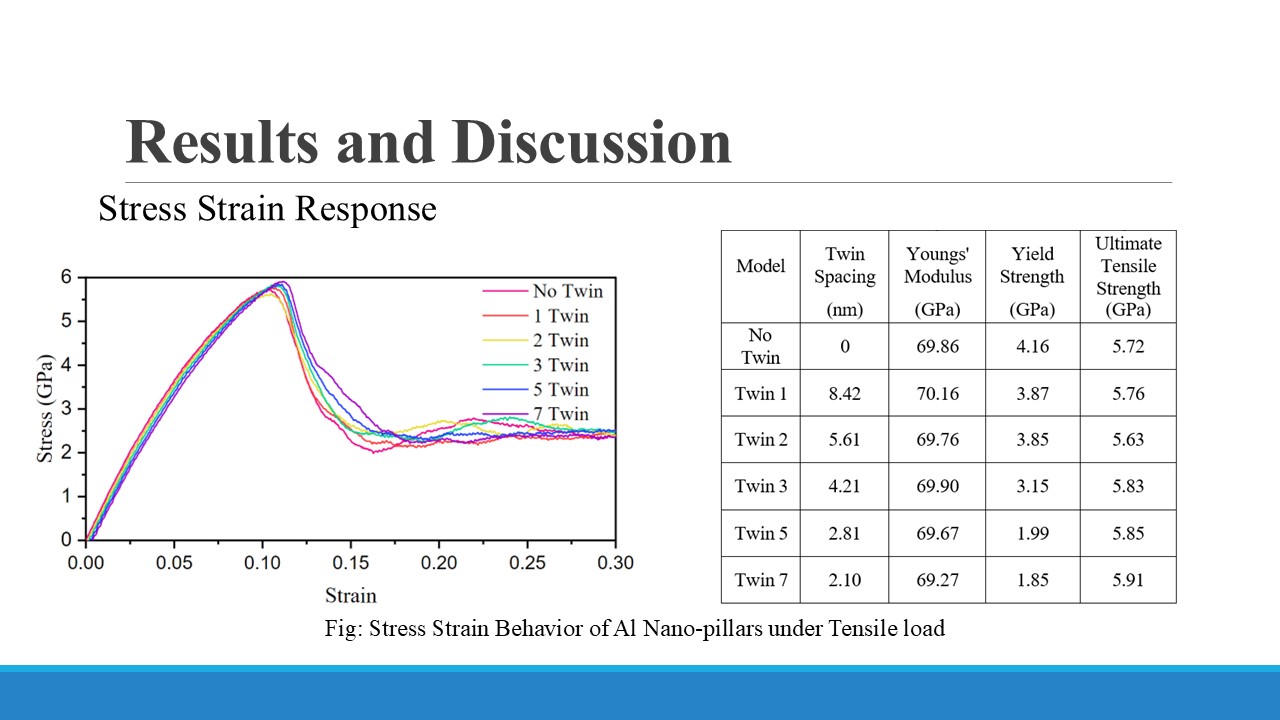
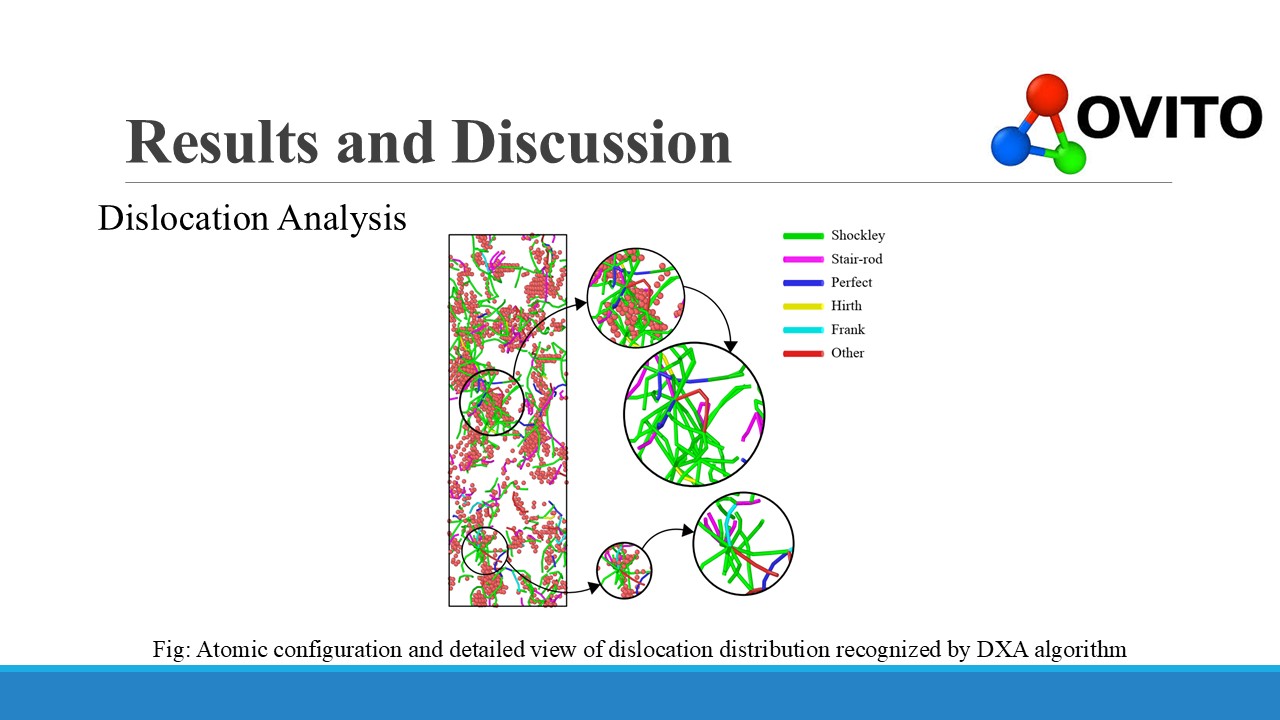
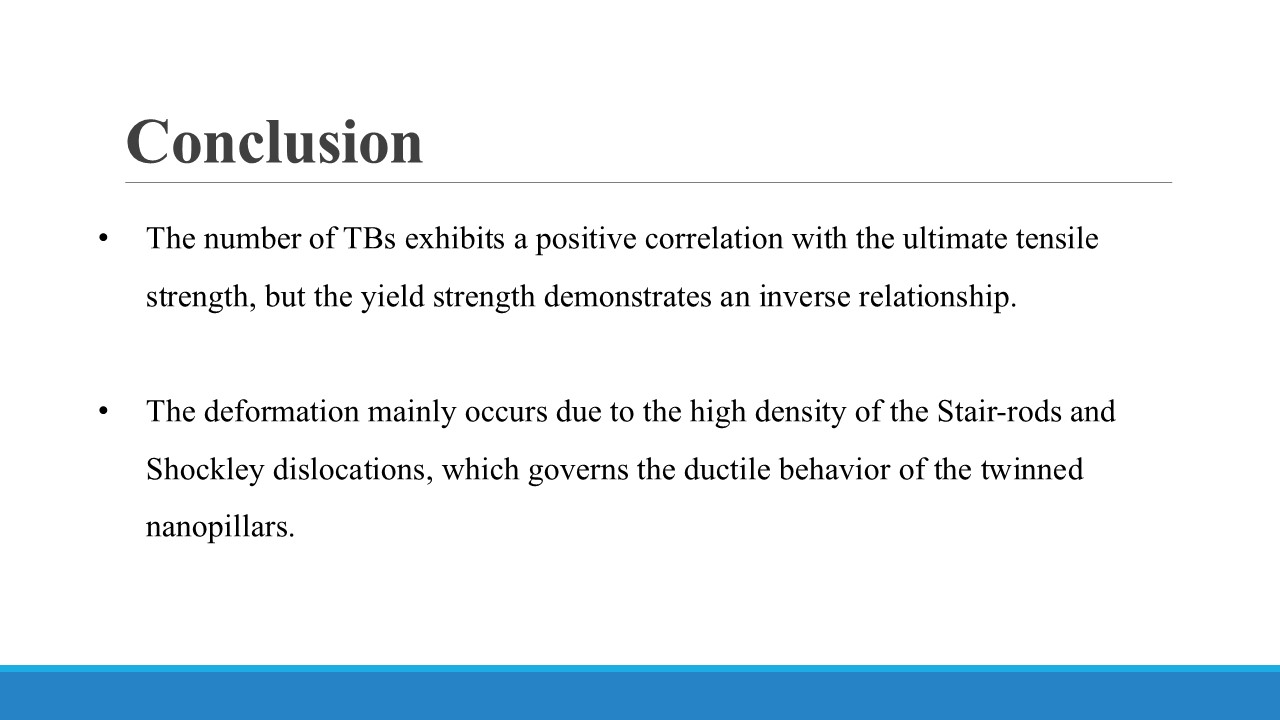
Twin boundaries are known for their strengthening influence and elevation of ductility in metallic nanopillars. They function both as a source of dislocation nucleation and as impediments to dislocation mobility. This study employs molecular dynamics simulations to examine the tensile properties, specifically strength, and ductility, of a twinned Al nanopillar featuring a horizontally orientated [111] twin boundary subjected to uniaxial tensile loading. Five models were constructed using Atomsk by varying the number of twin boundaries ranging from 1 up to 7, and an additional Al sample free of twins was also created to compare the changes in twin boundaries. The tensile deformation was performed at room temperature using a constant strain rate of 10^10 s^(-1) for 30 ps. The results indicate that the twinned nanopillars exhibit greater peak strength than the single-crystalline Al model of similar size, suggesting that the ultimate tensile strength is significantly impacted by an increase in the number of twin boundaries. The findings indicated that reduced intertwin spacing resulted in reduced yield strength, elucidating the anomalous Hall-Petch relationship. The post-processing of the simulation data was conducted by dislocation extraction analysis (DXA) provided by OVITO. This study explored variations of deformation mechanisms in relation to varying twin spacings by analyzing defect quantities and dislocation density evolution. This research offers significant insights for the advancement of high-performance ductile aluminum.
2. A Molecular Dynamics Study on the Mechanical Properties of Fe-Cu-Ni Nanopillar Under Uniaxial Tensile Load
Presented at: 3rd International Conference on Mathematical Analysis and Application in Modelling 2024 (ICMAAM 2024)
Location: Chattagram, Bangladesh | Date: December, 2024
Abstract:
Alloys are metal materials with multi-principal components that have improved mechanical properties. In this research, we used the Molecular Dynamics (MD) simulation to investigate the mechanical properties of a ternary alloy: Fe-Cu-Ni at different temperatures, with increasing Cu and Ni concentrations on Fe. Four Fe(100-2x)CuxNix models, where x varied from 1% to 4 %, were created using Atomsk. These alloys were pre-heated to 1000K to randomize the atoms' initial configuration and then allowed to equilibrate to guarantee the thermodynamic stabilization of the atoms. The tensile loading was applied using a constant strain rate of 10^10 s^(-1) to allow plastic deformation. Similarly, the Fe, Cu, and Ni metals with similar configurations were also simulated to compare the results. The modulus of elasticity (E) of Fe, Ni, and Cu was calculated to be 128.8 GPa, 179.55 GPa, and 46.8 GPa, respectively, at 300K. The results reveal that Fe0.98Cu0.01Ni0.01 at 300K has better stiffness, and an increased elastic modulus of 133.44 GPa as compared to Fe, and the Ultimate Tensile Strength (UTS) peaked among the other models. The outcomes of the simulation demonstrated a strong linear correlation among temperature, percentages of Cu-Ni concentrations, and the mechanical properties: Elastic modulus and UTS; which may facilitate new alloy nanomaterials designs.